
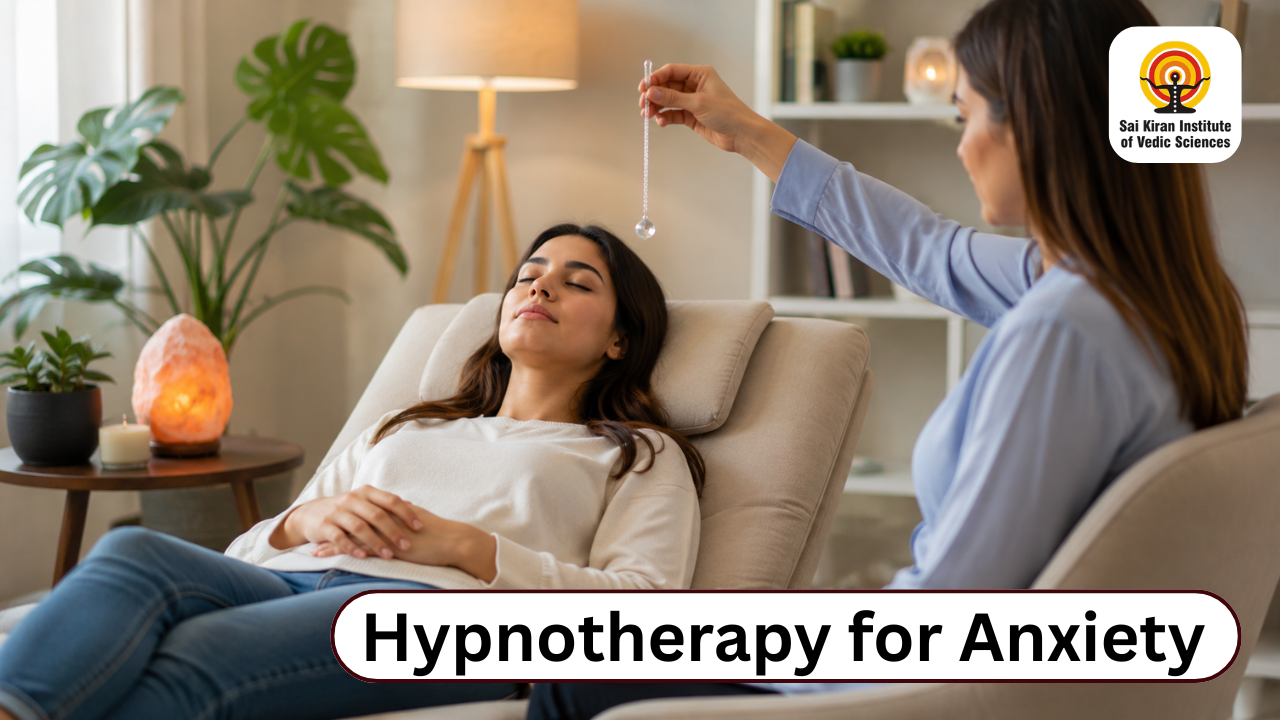
Anxiety has quietly become one of the most common struggles of modern life. Between work pressure, family responsibilities, and the constant noise of everyday demands, many people find themselves stuck in cycles of worry, overthinking, and restlessness. While talking about problems can help, sometimes the root of anxiety lies deeper than the conscious mind can reach — and that's where hypnotherapy comes in.
What Is Hypnotherapy?
Hypnotherapy is a therapeutic technique that uses guided relaxation and focused attention to help a person enter a calm, heightened state of awareness. Contrary to popular myths, hypnotherapy isn't about losing control or being "put under" by someone else. It's a collaborative process where the individual remains fully aware, but far more receptive to positive suggestions and inner reflection.
In this relaxed state, the mind becomes more open to identifying the subconscious patterns, fears, and beliefs that often drive anxious thoughts. Many of our anxieties are rooted in past experiences or deeply ingrained habits of thinking that we're not even consciously aware of. Hypnotherapy helps bring these patterns to the surface so they can be gently reframed.
Why Anxiety Often Needs More Than Willpower
Most people with anxiety already know, logically, that their worries may be irrational or exaggerated. Yet knowing this rarely makes the anxiety go away. That's because anxiety often lives in the subconscious mind — the part of us responsible for automatic reactions, habits, and emotional responses. Trying to "think your way out" of anxiety can feel like fighting an invisible current.
This is precisely why hypnotherapy can be so effective. Instead of only addressing anxiety at the surface level, it works with the subconscious directly, helping to rewire old patterns of fear and replace them with a greater sense of calm, safety, and control.
What a Hypnotherapy Session Might Look Like
A typical session begins with a conversation to understand what triggers your anxiety and what outcomes you're hoping for. From there, the therapist guides you into a state of deep relaxation using calming techniques, breathing exercises, and gentle verbal guidance. Once in this relaxed state, positive suggestions and visualizations are introduced to help shift unhelpful thought patterns.
Many people describe the experience as similar to deep meditation — peaceful, focused, and restorative. Over multiple sessions, the goal is to build lasting emotional resilience rather than just temporary relief.
Who Can Benefit?
Hypnotherapy can be helpful for people dealing with generalized anxiety, specific phobias, performance anxiety, sleep difficulties linked to racing thoughts, and even stress-related physical symptoms like tension or fatigue. It's often used alongside other approaches such as life coaching, mindset coaching, or NLP for a more holistic path to emotional wellbeing.
Taking the First Step
If anxiety has been holding you back from living fully, know that healing is possible — and it doesn't always require reliving painful memories or forcing yourself to "just relax." Sometimes, the gentlest path is the most effective one. Working with a qualified hypnotherapist can offer a safe space to explore what's really going on beneath the surface, and to build new, calmer patterns of thinking that last well beyond the session itself.
Healing is a journey, not a single leap — and every small step toward understanding your mind is a step toward a calmer, more confident you.