
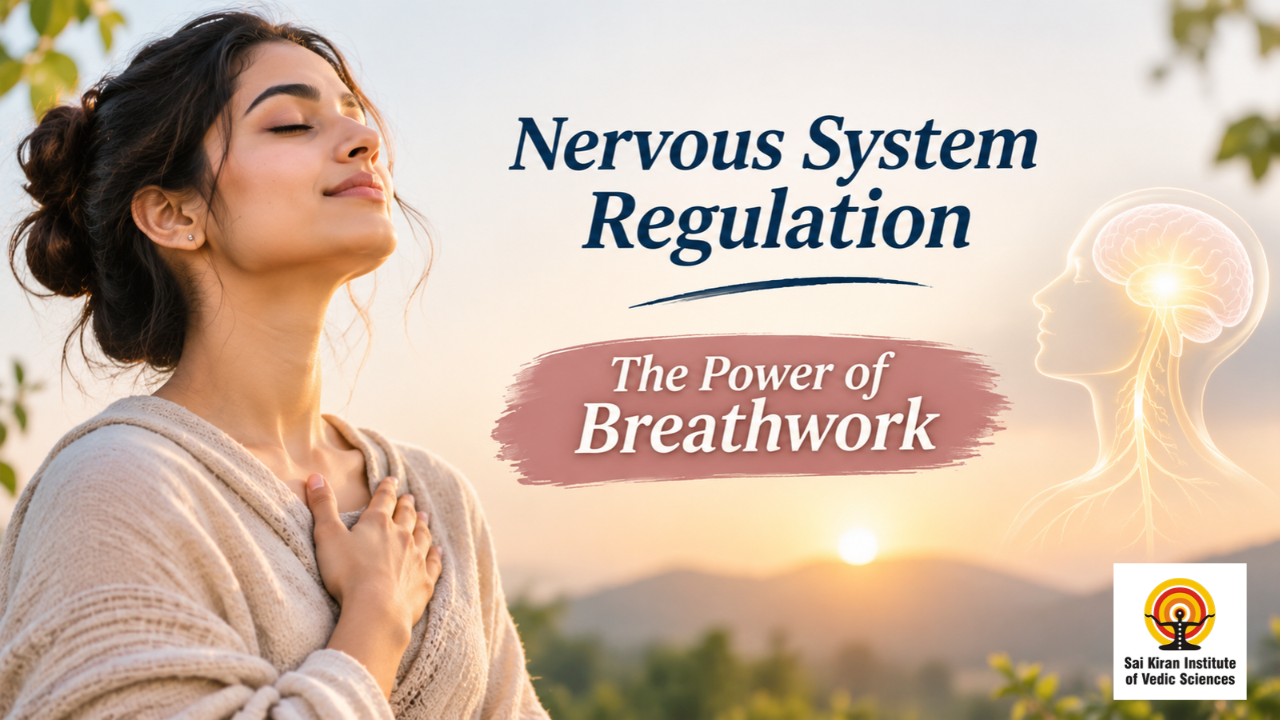
If you've scrolled through wellness content lately, you've seen the phrase "nervous system regulation" everywhere. It's one of the biggest conversations in mental health right now, and for good reason. In a world of constant notifications, work pressure and information overload, many of us are living in a permanent state of "fight or flight" without realising it.
What Does a Dysregulated Nervous System Feel Like?
Your nervous system decides whether you feel safe or threatened. When it stays on high alert, you may notice:
- Racing thoughts and trouble falling asleep
- Irritability over small things
- Tight shoulders, headaches or digestive problems
- Feeling "wired but tired" all day
- Higher blood pressure or hormonal imbalance
Over time, this chronic stress is linked with anxiety, high blood pressure and thyroid issues. These are concerns Dr. Shalini Mehta has helped clients address for over three decades.
Why Breathwork Works
Of all the tools going around, breathwork is one of the simplest and most effective, because breath is the one automatic body function we can also control. Slow, intentional breathing activates the parasympathetic nervous system, the body's "rest and digest" mode. Your heart rate slows, your muscles soften and your mind begins to settle.
Try this simple technique today:
1. Sit comfortably and close your eyes.
2. Inhale through your nose for a count of four.
3. Pause gently for two counts.
4. Exhale slowly through your mouth for six to eight counts.
5. Repeat for five minutes.
Making the exhale longer than the inhale is the key. It signals safety to your brain.
Going Deeper: Breath, Mind and Subconscious
Breathwork becomes even more powerful when combined with other approaches. In hypnotherapy, guided relaxation helps quiet the conscious mind so you can work with the subconscious patterns that keep you stuck in stress. Meditation builds the habit of observing your thoughts rather than being ruled by them. NLP gives you practical tools to change unhelpful thought loops.
Dr. Mehta's book The Breathwork Blueprint explains the science behind these practices and gives you a step-by-step path to a calmer, healthier you.
Small Habits, Big Shifts
You don't need an hour a day. Start with:
- Morning reset: three minutes of slow breathing before checking your phone.
- Midday pause: a short breathing break between tasks.
- Night wind-down: a longer exhale practice before bed.
Consistency matters more than intensity.
Ready for Personal Guidance?
Breathwork is a wonderful starting point, but everyone's stress story is different. If anxiety, sleep problems or burnout have become your normal, personalised support can make the difference. Explore Dr. Shalini Mehta's mental wellness programs, hypnotherapy and coaching sessions, and take the first step towards a calmer you.
Book your consultation today and learn to breathe your way back to balance.