
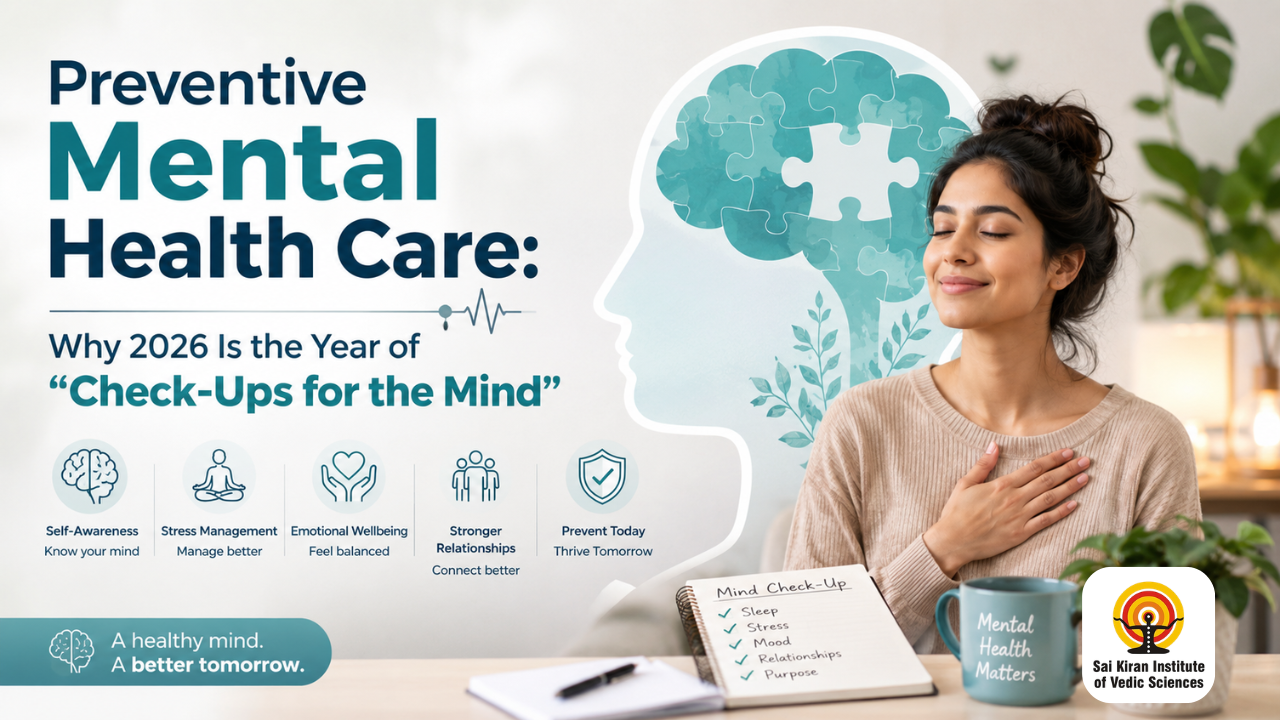
For decades, the pattern was the same: people sought therapy only after a breakdown, a diagnosis, or a relationship falling apart. That pattern is finally shifting. One of the clearest mental health trends of 2026 is the rise of preventive mental health care — treating emotional wellbeing the way we treat physical health, with regular check-ins rather than emergency intervention.
Just as an annual physical catches a health issue before it becomes serious, more people are now scheduling regular mental wellness check-ins to catch anxiety, burnout, or emotional patterns early — long before they disrupt work, relationships, or daily life.
Why This Shift Matters
Surveys now show that a majority of adults consider mental health just as important as physical health, not a secondary concern. That's a significant cultural change, and it's driving demand for a different kind of support — one that's ongoing and personalized rather than reactive and generic.
This also means therapy and coaching are no longer viewed as something reserved for crisis moments. Instead, people are proactively working on:
- Emotional literacy — learning to name and understand what they're actually feeling, instead of just reacting to it
- Identifying stress patterns before they turn into chronic anxiety or physical symptoms like high blood pressure
- Building resilience tools they can use before a difficult season of life hits, not after
What "Continuous Care" Looks Like in Practice
Preventive mental health doesn't mean weekly therapy forever. It means having a personalized toolkit and checking in regularly enough to notice early warning signs. In practical terms, this can include:
1. Regular mindset and life coaching sessions — not just for people in crisis, but for anyone who wants ongoing clarity, accountability, and emotional grounding as life changes.
2. Parenting coaching as prevention — many parents don't realize that unaddressed childhood patterns, including their own, get passed down. Working proactively on parenting approaches can prevent years of generational stress patterns.
3. Handwriting analysis (Grapho therapy) as an early insight tool — a unique, non-invasive way to surface subconscious traits and tendencies before they manifest as bigger behavioral or emotional issues.
4. Periodic hypnotherapy sessions — used not just to treat an existing issue, but to maintain emotional balance and catch subconscious stress patterns early.
Personalization Is Non-Negotiable
Another defining feature of this trend is that generic, one-size-fits-all advice is losing relevance. Truly effective preventive care now considers your whole picture: biological factors, life history, relationships, and even physical health conditions like thyroid issues or blood pressure that often carry an emotional or stress-related component. This is why an integrated approach — one that blends mindset coaching, NLP, hypnotherapy, and holistic wellness practices — tends to work better than addressing symptoms in isolation.
How to Start Building Your Own Preventive Mental Health Routine
You don't need to wait for a crisis to begin. A simple starting framework:
1. Schedule a mental wellness consultation, even if nothing feels "wrong" right now
2. Identify one recurring stress pattern you'd like to understand better
3. Choose one ongoing practice — coaching, hypnotherapy, or meditation — and commit to it consistently, not just when things get hard
4. Reassess every few months, the same way you'd revisit a fitness or nutrition plan
The Takeaway
The old model of therapy as emergency repair is giving way to something more sustainable: mental health as an ongoing practice of self-understanding and prevention. Making that shift now, while things are manageable, is far easier than trying to rebuild after burnout.
If you're ready to move from reactive to proactive mental wellness, [book a consultation](https://calendly.com/dr-shalinimehta) with Dr. Shalini Mehta and start building a personalized preventive care plan.