
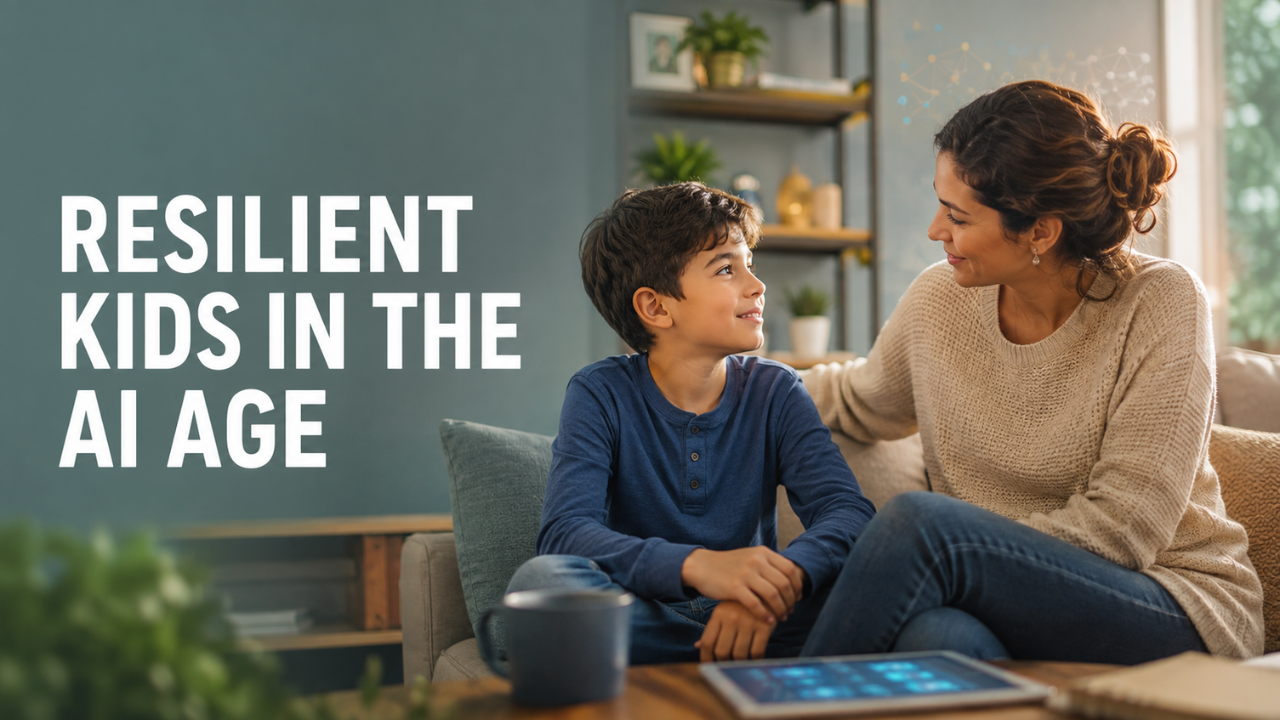
Parenting has never come with a manual — but in 2026, it comes with a new challenge previous generations never had to navigate: raising kids who are growing up alongside AI chatbots, algorithm-driven feeds, and a level of digital stimulation none of us experienced as children. As "mental fitness" becomes one of the most talked-about wellness trends this year, parents are asking a new question: how do I build my child's emotional resilience in a world that's changing faster than I can keep up with?
Mental Fitness Isn't Just for Adults
Much of the 2026 conversation around mental fitness focuses on adults — training the nervous system, building emotional regulation skills, treating mental wellbeing as a daily practice rather than something you address only in a crisis. But children need this just as much, if not more. Their brains are still developing the very skills — emotional regulation, resilience, self-soothing — that adults are now paying coaches to rebuild.
The earlier these skills are nurtured, the less "rewiring" is needed later in life.
Where AI Fits Into the Picture
Kids today are growing up with constant access to AI tools, chatbots, and algorithmic content that can shape how they think, feel, and even form relationships. This isn't inherently bad — but it does mean parents need to be more intentional than ever about a few things:
- Real emotional connection vs. digital validation. Children need to know how to sit with a difficult feeling and talk it through with a real person, not just distract from it or outsource it to a screen.
- Critical thinking and identity formation. With so much AI-generated content shaping opinions and self-image, kids benefit from strong internal grounding — a clear sense of their own values, confidence, and voice — so external noise doesn't define them.
- Screen boundaries that support, not punish. The goal isn't zero screen time; it's building a relationship with technology that doesn't replace real-world coping skills.
Building Confidence From the Inside Out
This is where parenting coaching plays a powerful role. Rather than reacting to each new behavioral challenge as it comes up, parenting coaching helps you build a proactive framework — one where your child develops:
1. Emotional vocabulary — the ability to name what they're feeling instead of acting it out
2. Self-regulation tools — simple techniques they can use in the moment when overwhelmed, upset, or anxious
3. A secure sense of identity — so peer pressure, social media comparison, and even AI-driven content have less power over their self-worth
4. Healthy communication with parents — an open channel where they come *to* you, not just to a screen, when something is wrong
Small Shifts That Make a Big Difference
You don't need to overhaul your parenting overnight. A few starting points:
- Create short, consistent "check-in" moments where your child can share their day without judgment or immediate problem-solving
- Model your own emotional regulation — kids learn nervous system calm by watching it, not just hearing about it
- Set collaborative (not just enforced) boundaries around AI tools and screens, explaining the "why" in age-appropriate terms
- Celebrate effort and resilience over outcomes, to build an internal sense of confidence rather than external validation-seeking
The Bigger Picture
Raising a mentally fit, emotionally resilient child in 2026 isn't about shielding them from a changing world — it's about equipping them with the internal tools to navigate it. That's a skill set that will matter far beyond this year's trends.
If you'd like personalized support building these skills with your family, [book a consultation](https://calendly.com/dr-shalinimehta) to get started.