
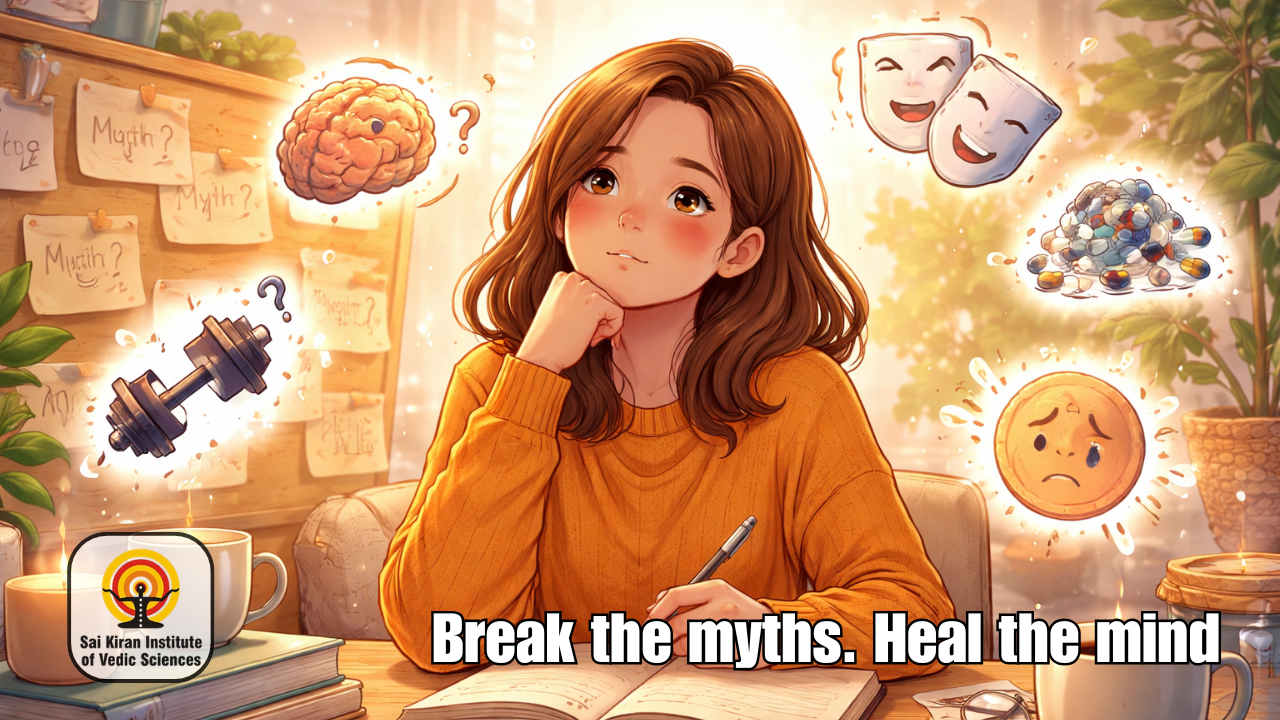
Mental health is a vital component of general health but it still remains under a lot of myths and misunderstanding that makes it confusing and stigmatizing in the society. The false beliefs that lead to misunderstanding and lack of support make many individuals afraid to openly discuss their mental health due to these false beliefs. As a matter of fact, mental health is equally significant as the physical health since it determines the way we think, feel, and act in our lives.
The importance of Mental Health Awareness
Mental health influences our social lives, performance at work and our stress management capability. Mental health problems may cause severe emotional and physical complications when being ignored. Education will assist individuals to be able to recognize the symptoms quicker and make them seek assistance with no fear or apprehension. Improved knowledge of the mental health would provide an environment of support to all.
The Myths and Truth of Mental Health
The myth that the mental health issues are uncommon is one of the most widespread ones since such issues are really quite widespread and may happen to any person. The other version of the misconception is that the only weak people are those who struggle with mental health, and emotional distress has nothing to do with the strength or weakness. It is also believed by many that discussing mental health will only worsen the situation, yet in fact, candid discussions assist in the healing process and also lessen emotional load. It is also believed that therapy is solely applicable in serious cases when the reality is that therapy is applicable even in day-to-day stress, problems in relationships, as well as personal development. Other individuals believe that mental health conditions are incurable, but they can be handled with the help of proper care and support.
Removing the Stigma of Mental Health
It is significant to break these myths to eliminate the stigma of mental health. When individuals are assured of not being judged, and thus feel safe sharing their feelings, they will more easily find help and support. Open conversations, education, and acceptance are some of the ways of making a difference in the society.
How to Promote Mental Well-Being
Assisting with mental health begins with easy measures like openly discussing emotions, being a non-judgmental listener, taking care of oneself and suggesting a professional intervention when necessary. Minor actions can bring major changes to the state of mental health.
Conclusion
Mental health myths result in barriers that do not help the affected people. Through knowing the truth and creating awareness, we will be able to develop a more understanding and supportive society. Self care is not an extravagance in life but a mandatory requirement to live a wholesome balanced life.